
millyuGO®
|
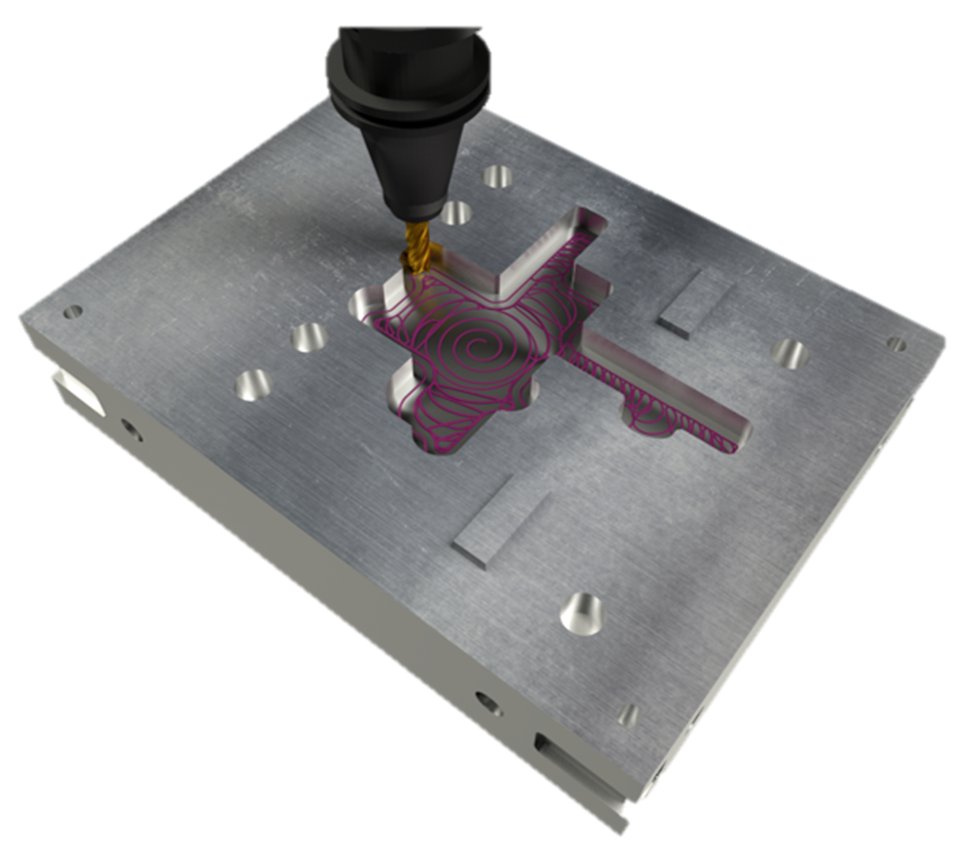
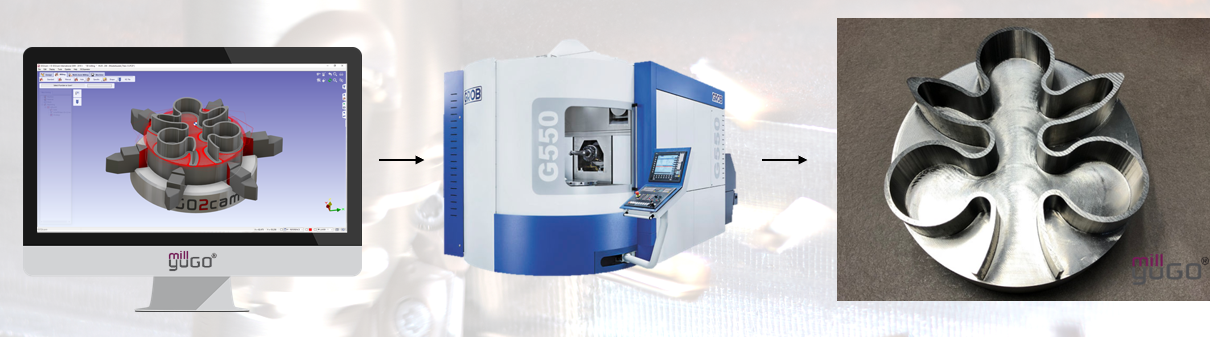
What is millyuGO®?
|
Comparison with offset roughing
|
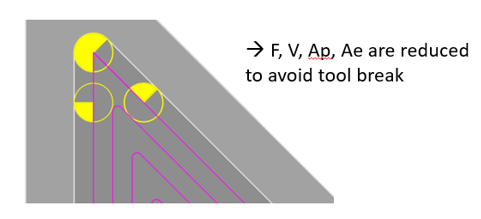
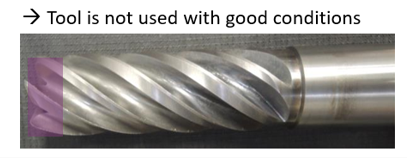
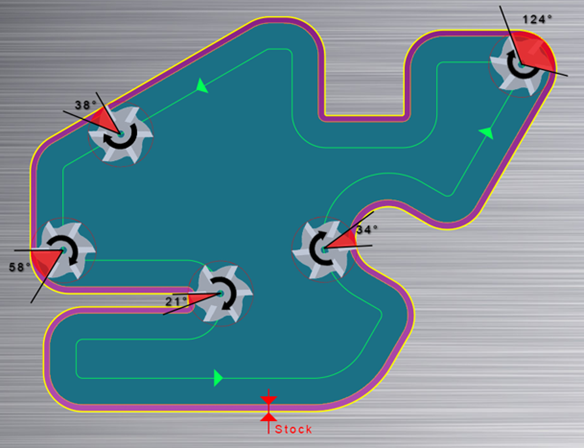
Offset Roughing In Straight lines tool engagement is constant but in corners, the tool load is too important. |
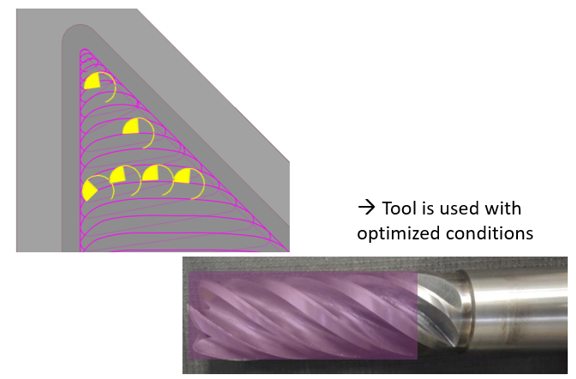
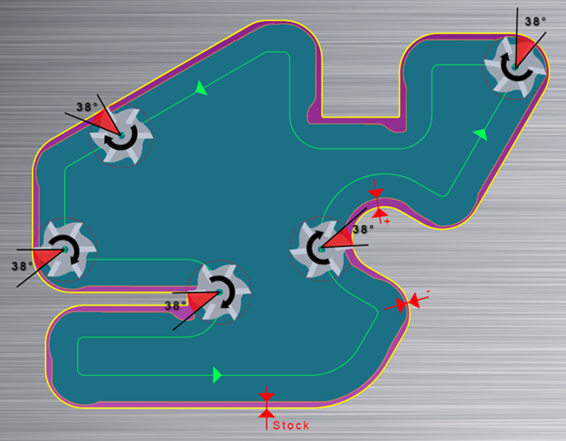
Constant Tool Engagement With millyuGO® ,tool engagement is constant Everywhere. |
|
|
Key Features and Benefits
1. Controlled Force Exertion on the Tool
-
millyuGO® ensures that the force exerted on the cutting tool remains within safe limits.
-
By controlling the force, it prevents excessive wear and damage to the tool.
2. Optimal Cutting Conditions
-
Tools always cut within their optimal and designed conditions, the velocity is kept.
-
This leads to improved machining efficiency and precision.
3. Ideal for Hard Materials
-
millyuGO® is particularly effective for machining hard materials such as Titanium, Inconel, and stainless steel.
Extended Tool Life
-
With millyuGO®, tool life can be extended by up to six times compared to traditional roughing methods.
4. Reduced Machining Time
-
The technology significantly reduces machining time, often by up to 80%.
5. Lower Production Costs:
-
By optimizing toolpaths and minimizing waste, millyuGO® contributes to a 50% reduction in production costs.
Real-World Applications
Aerospace and automotive industries benefit from millyuGO® due to its efficiency in handling challenging materials and complex geometries.
In summary, millyuGO® revolutionizes machining processes by combining precision, efficiency, and cost-effectiveness. Whether you're working with tough alloys or intricate components, this technology can make a significant impact in your machine shop.
|
Customer case |
|||
|
|
|
||
|---|---|---|---|
|
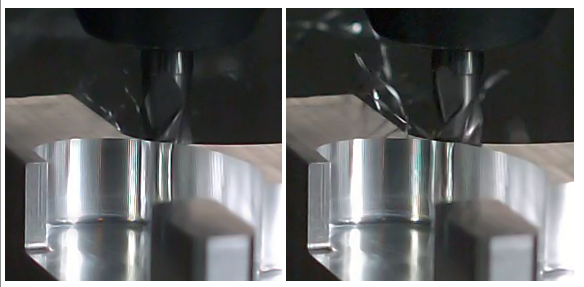
Test run by MAPAL(German tool manufacturer), Using a
|

|
|
|
|
|
|||
|
|
|
|
|
|
|
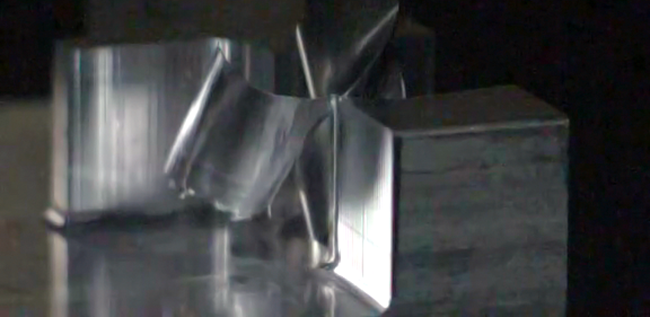
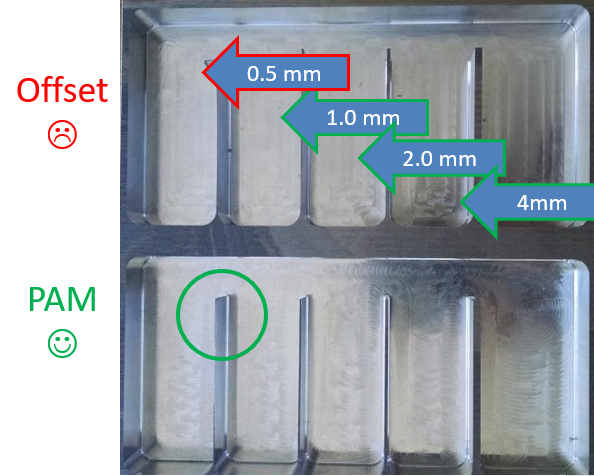
millyuGO® includes a new strategy to avoid the ‘thin sheets’ and preserve tool and material.
|
||

|
|||
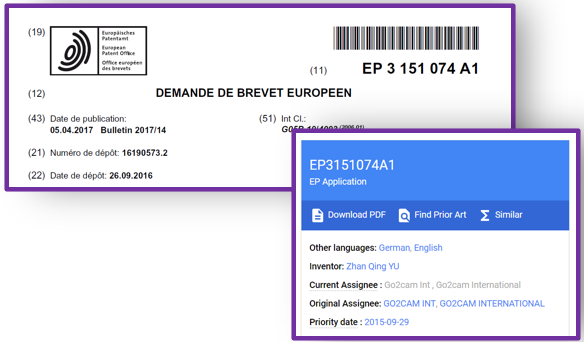
millyuGO® Patent
|
PAM (Powerful Anticipative Machining)
|
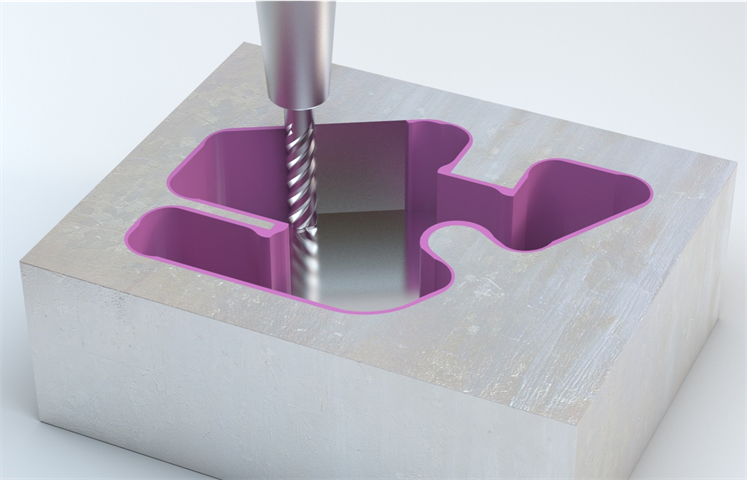
PAM (Powerful Anticipative Machining) is a revolutionary roughing cycles that optimizes finishing cycles by generating adaptative and trochoidal toolpaths enabling constant tool engagement during the whole machining process. |
Comparison to traditional Roughing
1. Constant Tool Engagement
PAM optimizes the finishing cycle by leaving a variable allowance during roughing. This allows for constant tool engagement throughout the entire finishing process.
-
As a result, the effort on the tool and spindle remains consistent, leading to improved machining stability.
|
|
2. Vibration Elimination
-
By maintaining constant tool engagement, PAM effectively eliminates vibrations during machining.
-
Reduced vibrations contribute to better surface quality and prevent tool wear.
3. Larger Z Step Values
-
PAM enables the use of larger Z step values (vertical increments) during machining.
-
This can lead to faster material removal rates and shorter overall machining time.
Benefits
-
Increased Tool and Spindle Life: The consistent tool engagement minimizes wear and extends the lifespan of cutting tools and spindles.
-
Shorter Machining Time: PAM's efficient approach reduces the time required for finishing operations.
-
Improved Surface Quality: The elimination of vibrations results in smoother and more precise surfaces.
Overall, PAM offers a promising solution for enhancing machining processes, benefiting both productivity and quality.
|

|
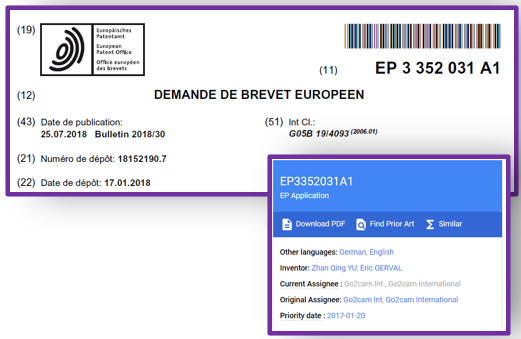
PAM Patents
|